GigaCity Toronto
Plan housing, transportation, infrastructure, jobs, energy and public services as one connected metropolitan system.
Explore GigaCity →
Yet again, the world is looking to Toronto to lead. We must lead by example.
A city where you can afford to build a life, get home sooner, feel safe, find opportunity and believe your children can have an even better future.

Toronto should be a city where a young person can imagine staying, a family can find a home, a worker can get to a job without losing hours every day, and a small business can grow without being buried in friction.
The plan starts with the pressures people feel now: housing, cost of living, time, safety, clean public spaces, work and trust in City Hall.
The goal is not growth for its own sake. The goal is a better life for people.
Give a person a fish, and they eat for a day.
Teach a person to fish, and they eat for a lifetime.
The AI revolution should not happen to Torontonians. It should belong to Torontonians. Students, workers, tradespeople, creators and entrepreneurs should have the tools and skills to multiply what they can accomplish while people remain in charge.
Excellent basic services come first. These are the larger ideas that can change Toronto's trajectory without overwhelming the everyday plan.
Plan housing, transportation, infrastructure, jobs, energy and public services as one connected metropolitan system.
Explore GigaCity →Make Toronto the central champion of a faster Windsor–Toronto–Ottawa–Montréal–Québec City corridor.
Explore the corridor →Coordinate approvals, utilities, procurement, infrastructure and governments so important projects stop fighting the system one obstacle at a time.
See how it works →Make AI tools, learning, institutional memory and human support broadly available so people are not abandoned during technological change.
Explore the idea →Connect food affordability, nutrition, children, neighbourhood access and local resilience in an idea people can feel in daily life.
Explore Crunch & Munch →MAYORMANIA
A fictional 16-bit-style campaign adventure starring Jamie Atkinson. Run, jump, punch, kick, collect pickups, throw objects and take on a boss at the end of each stage.
Political satire · Non-graphic arcade action · Keyboard, controller and touch support

The long-term vision only matters if people can see progress now.
Make it easier for people to build a good life while leaving a stronger society and a healthier planet to the next generation.
Homes, time, safety, clean streets and trustworthy services create the foundation.
Education, skills, AI, robotics, arts and entrepreneurship help people do more and earn more.
Slipstream, Civic Intelligence and better coordination help Toronto deliver instead of merely announce.
GigaCity, housing, rail, utilities and infrastructure create room for more people and opportunity.
Growth must use land, energy, water and materials more intelligently while protecting nature and resilience.
Build it here. Prove it here. Improve it here. Share what works with the world — and bring lessons home.
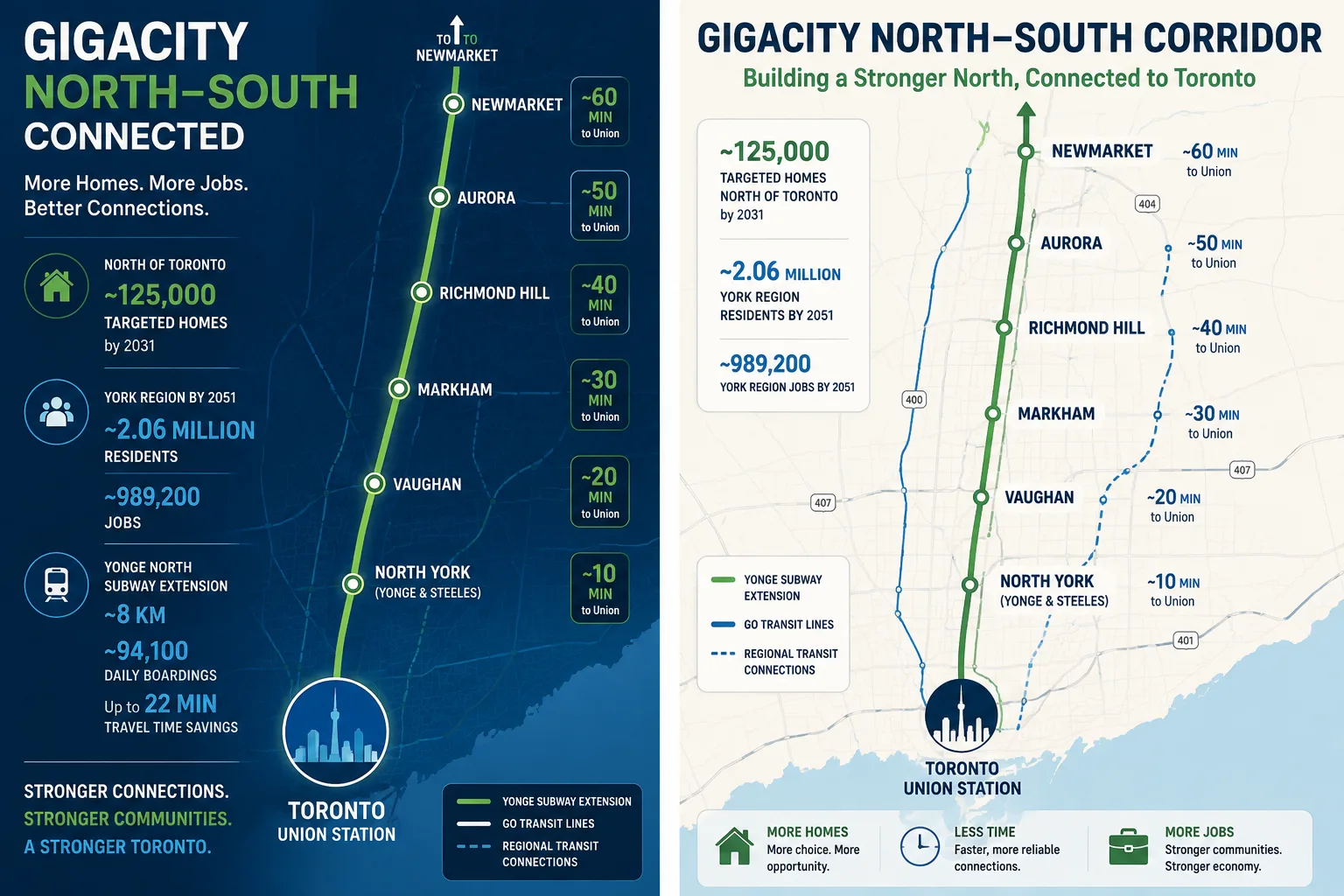
Toronto's housing market, labour market, transportation network and families already cross municipal borders. GigaCity asks how we plan that reality better: more homes within reach, more jobs within reach, better infrastructure and stronger communities.
Growth should expand choice without erasing neighbourhoods or treating nature as disposable.
Explore GigaCityWindsor → London → Waterloo/Cambridge → Toronto/Pearson → Peterborough → Ottawa → Montréal → Québec City
Faster intercity rail can enlarge the geography of homes, jobs, universities, family and investment — while shifting more trips toward efficient electrified transportation.
Status matters: the eastern Alto project is federal. A western extension remains a campaign proposal requiring senior-government engineering, business cases and partnership.
Explore High-Speed Rail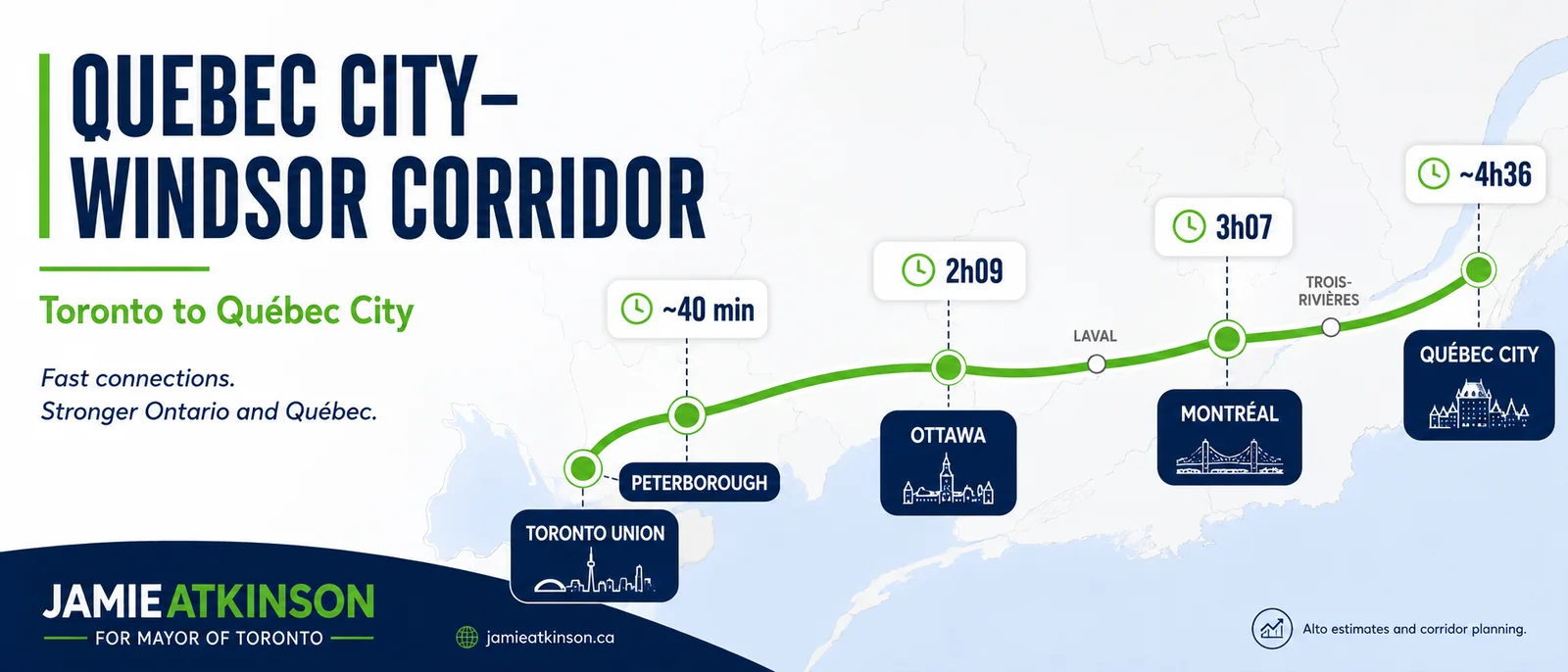
The public should always be able to tell the difference between a City commitment, a pilot, a proposal, a study and a project that depends on another government or partner.
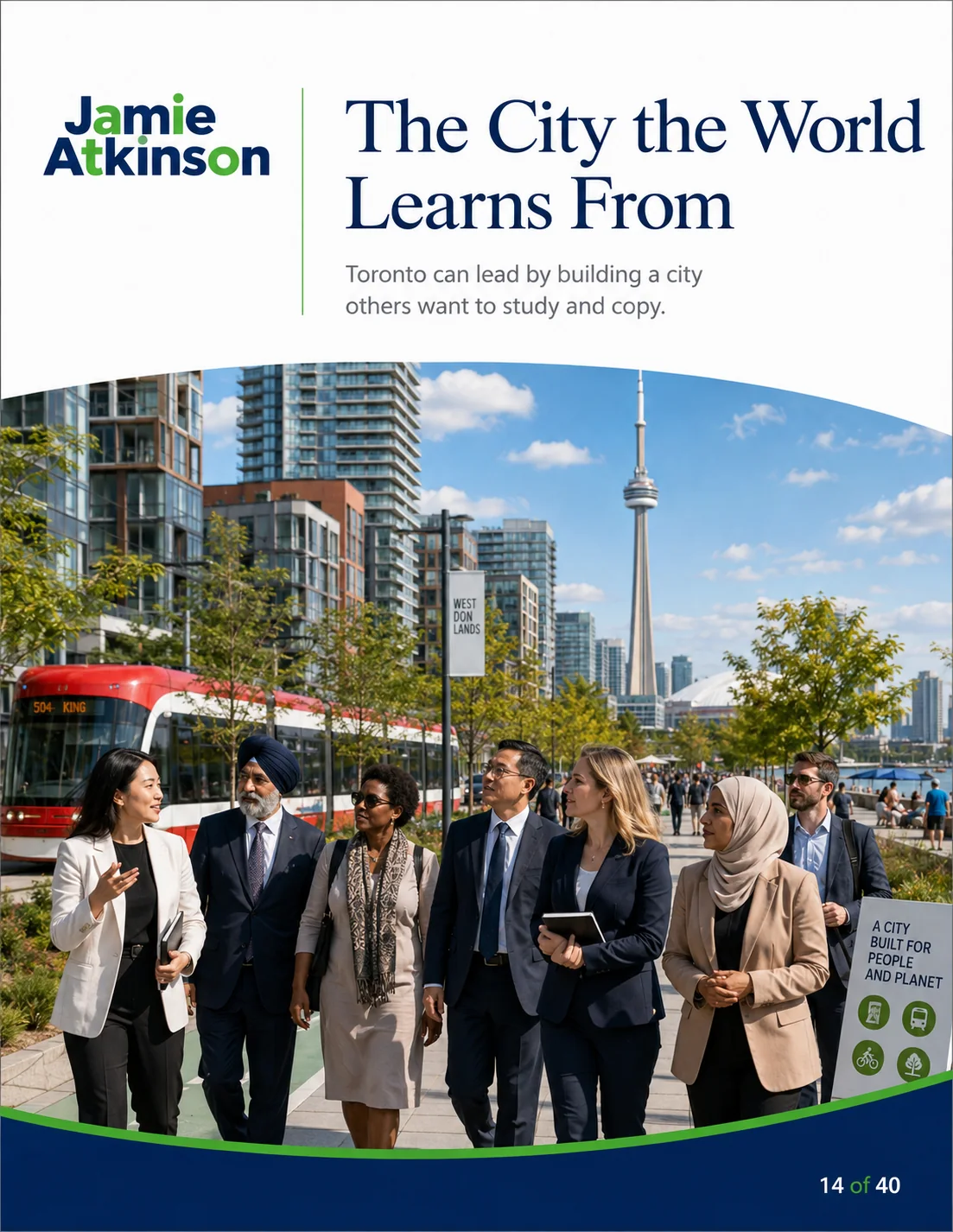
Toronto can improve everyday life at home, build cleaner and more capable systems, protect human dignity through technological change, and share what works with other cities facing the same challenges.
A better city. A stronger society. A healthier planet. People still in charge.